
International Mother Language Day – 21 February
Theme: Multilingual education is a pillar of intergenerational learning.
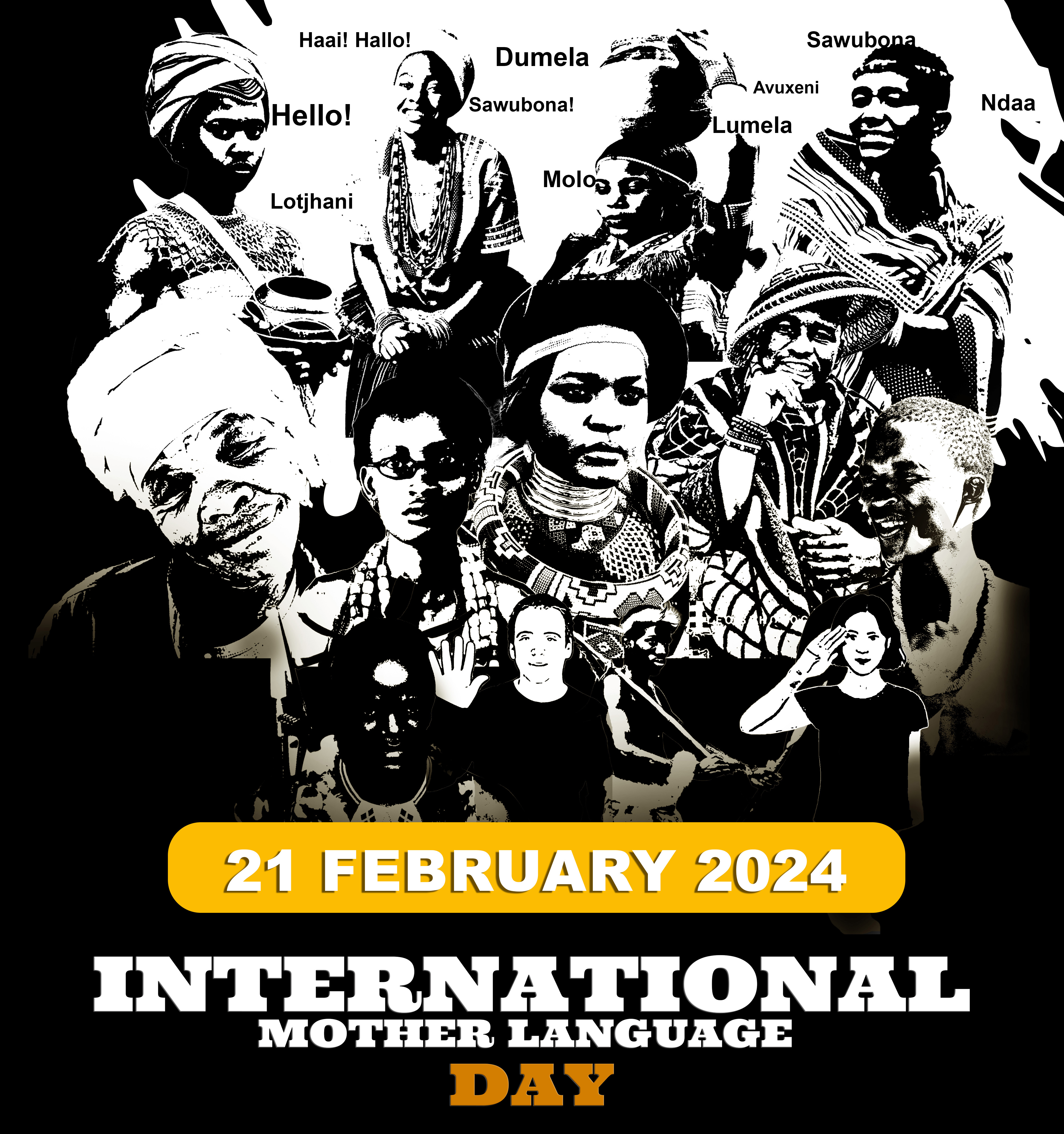
Theme: Multilingual education is a pillar of intergenerational learning.
There are about 6,500 languages in the world, but did you know that a language disappears and dies every two weeks? International Mother Language Day, commemorated annually on 21 February, is a day to celebrate and protect all the languages of the world.
As our former statesman once said “If you talk to a man in a language he understands, that goes to his head. If you talk to him in his own language, that goes to his heart.”
Through International Mother language day, UNESCO reiterates its commitment to linguistic diversity and invites its Member States to celebrate the day in as many languages as possible as a reminder that linguistic diversity and multilingualism are essential for sustainable development.
The day is intended to promote linguistic and cultural diversity and multilingualism: Languages are the most powerful instruments of preserving and developing our tangible and intangible heritage. All moves to promote the dissemination of mother tongues will serve not only to encourage linguistic diversity and multilingual education but also to develop fuller awareness of linguistic and cultural traditions throughout the world and to inspire solidarity based on understanding, tolerance and dialogue.
As outlined in Chapter 2 of Bill of rights, persons belonging to a cultural, religious or linguistic community may not be denied the right, with other members of the community to enjoy their culture, practice their religion and use of language.
To commemorate the day, the NHC in collaboration with its provincial partner stakeholders, Castle of Goodhope and Cape Heritage Museum hosted a focused Seminar on the Khoisan and Cape Malay Slaves’ descendants in the Western Cape on 14 February. As they say, you cannot talk Heritage Management without the inclusion of language preservation and promotion. Dr Nomfundo Mali, Provincial Manager at Pan South African Language Board (PanSALB) was part of the panel speakers and her focus was on the preservation and promotion of indigenous languages.
In her opening Dr Mali said that the revival of our heritage without emphasis of our languages will be losing the main objective of preserving our languages. She further said that the emphasis by the government of 1994 and even before, brings aboard the languages which have been previously marginalised and we know that in South Africa we have two languages which were official languages of business of government – Afrikaans and English. We know the history of these languages in terms of their colonial powers, the battle of those languages; which is powerful over the other and there were others that did not even get a space at a period of time hence the 1995 legislation which said that let’s at least have official languages that recognise those 11 that have suffered the injustices.
The Seminar was attended by mostly Afrikaans speaking community and requested that they express themselves in their language.
“The NHC carries out its programs and projects to improve nation-building, social cohesion, and unity in addition to the preservation and promotion of heritage. Given our broad historical background as a developing nation and our diversity based on language, culture, ethnicity, race, gender, and economic inequality, Heritage management remains a priority issue for South Africa,” says Chief Executive Officer of the NHC, Dr Ndivhoniswani Lukhwareni.
“We also have the role to promote the Nama and San language including the South African sign language. One will ask what about other languages which are used in South Africa and are not amongst the 12 official languages? Then the Act provides for the promotion and ensuring respect of other languages commonly used by other communities in South Africa. The constitution further mentions those languages including German, Greek, Gujarati, Hindi, Portuguese, Tamil, Telegu, and Urdu and; Arabic, Hebrew, Sanskrit, and other languages used for religious purposes in South Africa” added Dr Mali.
Another engagement will be hosted in Mangaung during Human Rights month that will look at the gains and losses since the liberation of our country. Indigenous Languages will be part of the elements that will be on the spotlight!
Stay tuned in on our social media platforms @NHCSouthAfrica for updates.