
Strengthening HR governance and performance Introduction to Mr Oliver Pillay
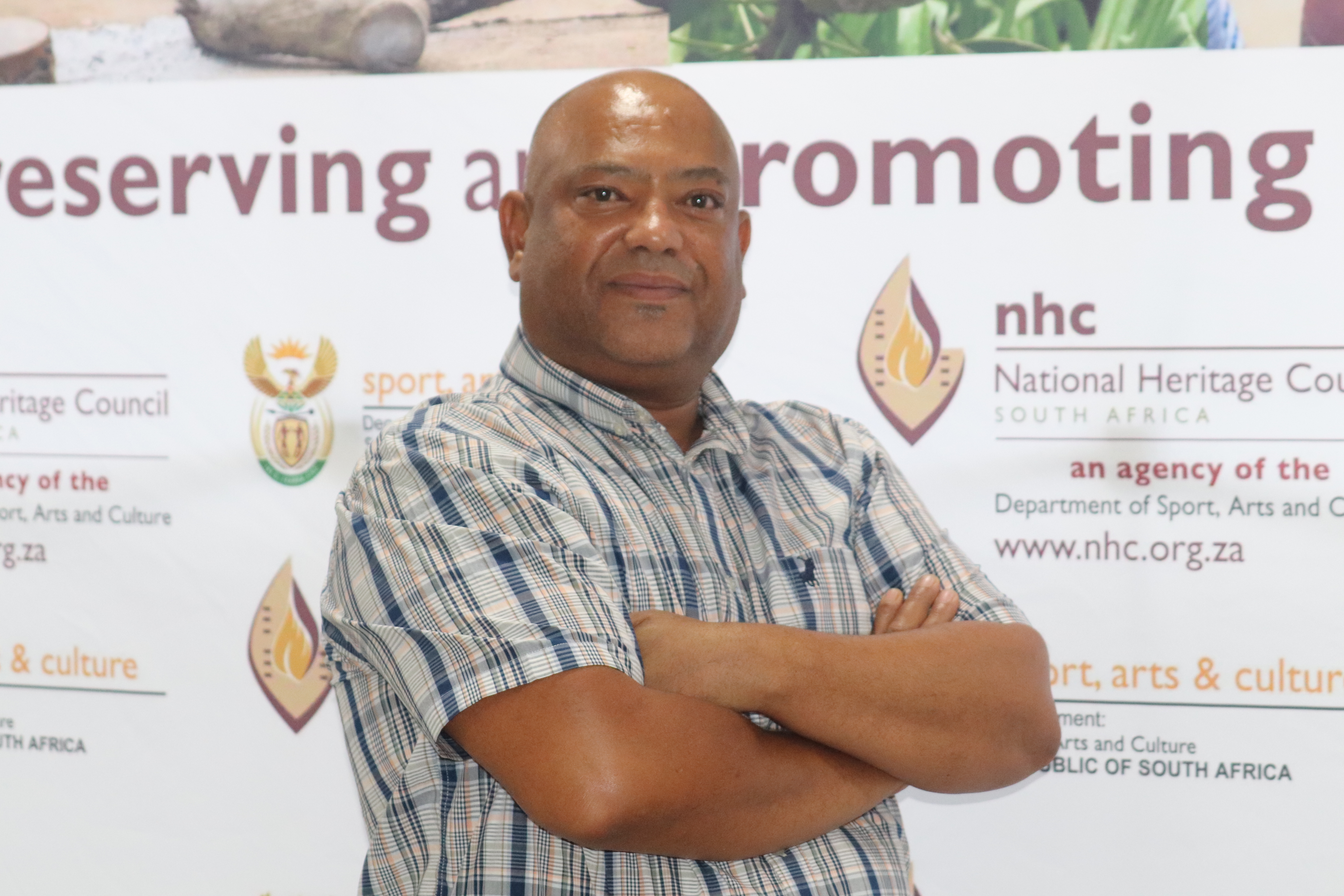
The National Heritage Council (NHC) of South Africa recently appointed Mr Oliver Pillay as its new Human Resources and Facilities Manager, a strategic move aimed at strengthening governance, organisational performance, and employee support as the Council advances its mandate to protect and promote South Africa’s heritage for sustainable development.
Mr Pillay brings extensive experience in end-to-end human resource management, organisational development, and employee relations, positioning him to play a critical role in aligning people management with the Council’s long-term strategic objectives.
He holds an undergraduate bachelor’s degree in arts and a postgraduate Honours degree in Psychology, and has completed numerous professional courses in labour relations, organisational behaviour, and people management. He is also actively involved in professional HR networks at a national level, ensuring the Council benefits from modern, compliant, and forward-looking HR practices.
Speaking on his appointment, Mr Pillay said his passion for Human Resources has always been rooted in its ability to balance organisational performance with employee wellbeing.
“I was initially drawn to Human Resources because it sits at the intersection of people, strategy, and culture. I saw firsthand how thoughtful HR practices could directly impact employee engagement, performance, and retention,” he said.
He added that the opportunity to join the NHC was driven by the organisation’s values and mandate.
“What specifically attracted me to the HR and Facilities Manager role at NHC is the Council’s commitment to quality care, Ubuntu, and its legislative responsibility to protect heritage for future generations. Joining NHC represents a chance to make a meaningful impact in an organisation that values integrity, compassion, and excellence.”
A key focus of Mr Pillay’s role will be the establishment of strong HR supportive structures to enhance operational efficiency and accountability. These include the development of a fit-for-purpose HR governance and policy framework, structured workforce planning, a performance management system, and learning and development programmes aimed at building internal capacity.
According to Mr Pillay,
“The effective delivery of NHC’s mandate depends on putting in place foundational HR structures that ensure compliance, consistency, performance accountability, and staff sustainability. HR must enable stability while also driving a high-performance culture.”
Central to this approach is the alignment of HR initiatives with the Council’s strategic plan. Mr Pillay explained that HR will be embedded into strategic planning processes to ensure people capabilities directly support organisational priorities.
“Every HR objective must be clearly linked to a strategic outcome. This ensures that HR is not operating in isolation, but as a strategic partner that enables delivery.”
One of the most significant changes planned under his leadership is the implementation of an integrated digital Human Resource Information System (HRIS).
“By automating routine HR processes and introducing employee self-service, we can move HR from being largely transactional to more strategic and people-focused,” he concluded.